Make the scene safe
Use hazard lights and safely secure the scene. Call 112 if anyone is injured or there is immediate danger.

Claims Support
The first few minutes matter. Protect people, safely prevent further damage and collect clear information to support the claim.
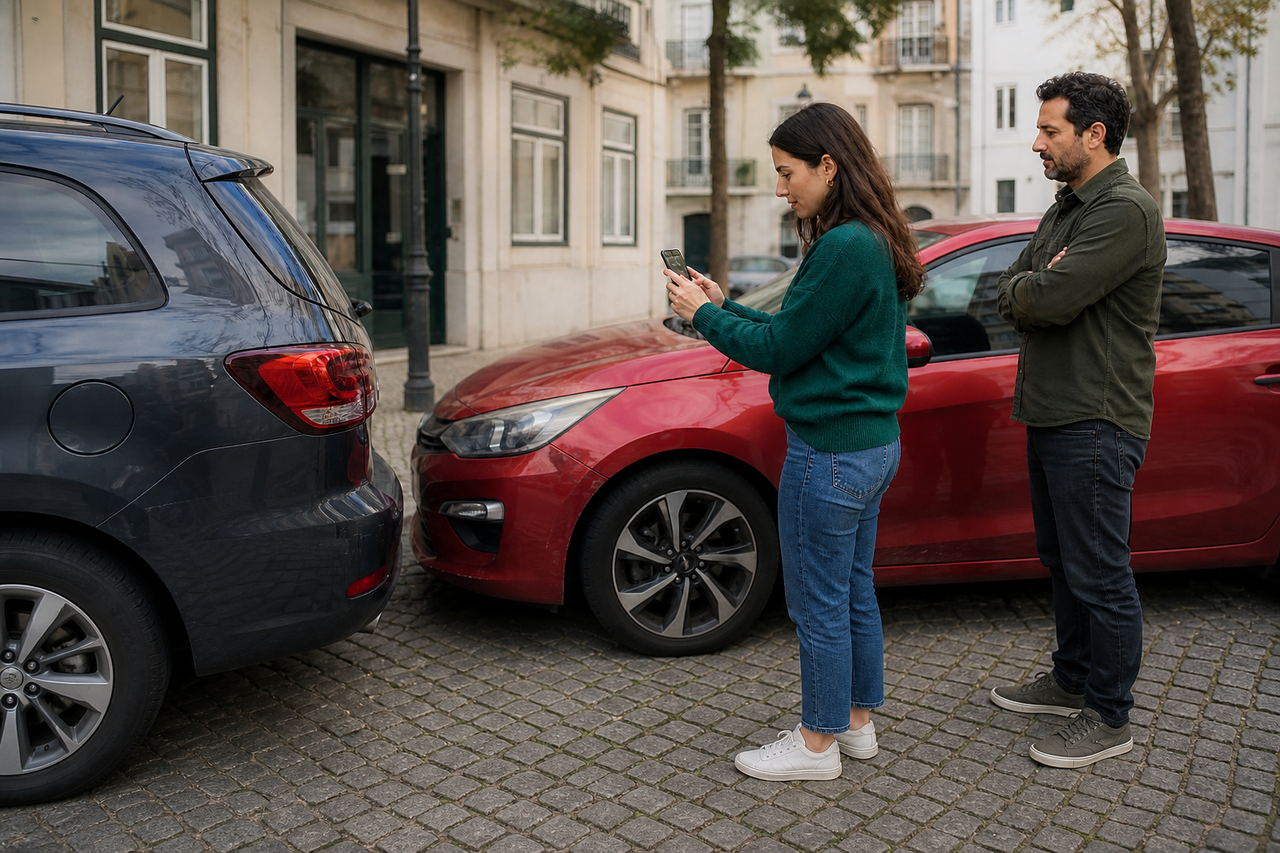
Check for injuries and do not put yourself at risk.
Secure the area or turn off water, gas or electricity only when safe.
Take photographs, note contacts and preserve documents and evidence.
We help organise the claim and supporting information.
Motor accident
The accident statement records the facts; completing it does not mean admitting liability. If anyone is injured, there is disagreement, documents are missing or circumstances are unclear, request police attendance.
Use hazard lights and safely secure the scene. Call 112 if anyone is injured or there is immediate danger.
Record vehicle positions, plates, road signs and markings, the wider scene and damage details without exposing yourself to traffic.
Note drivers' and witnesses' names and contacts, vehicle plates, insurers and policy numbers.
Use one statement for both vehicles when there is agreement. Mark the circumstances, draw a simple sketch and never sign a blank document or one you disagree with.
Once signed, both drivers should photograph every page and retain a legible copy.
Send the statement, photographs and supporting information to your insurance intermediary, keeping the originals.
Keep a copy in your vehicle
Download and print the two-page document. Keep it in the glove compartment with a pen.
Standalone glass breakage
We have a dedicated process with Carglass, one of the leading vehicle-glass specialists, to help speed up repair or replacement when the incident is covered by the policy.
Send a clear photograph showing the chip, crack or broken glass and where the damage is located.
Provide the registration number, name and contact details of the person to be contacted for the appointment.
We first confirm cover and send the incident to Carglass. Their team then contacts the client to arrange repair or replacement at the most convenient available location.
Home and property
A well-documented claim can make assessment easier and speed up resolution. When the evidence is sufficient, the insurer may decide that an on-site inspection is unnecessary; that decision always rests with the insurer.
Turn off water, gas or electricity when necessary and safe. Make only urgent repairs needed to prevent further damage or keep the home secure.
Record the apparent cause, affected rooms, damaged belongings and how damage develops before cleaning or repair.
Ask the technician for a fault report stating the likely cause and required work. Add itemised estimates, invoices and warranties.
Do not discard damaged parts or items before authorisation. If urgent repair is essential, photograph before, during and after, and keep all receipts.
Other incidents
Contact the police, preserve the scene and prepare a list of items with photographs, invoices, serial numbers and values.
Collect details of those involved, witnesses and evidence. Do not admit liability or agree payments before contacting us.
Prioritise medical assistance and keep reports, prescriptions, receipts and evidence of expenses or incapacity.
We are with you
Send a brief description, policy number, incident date and available photographs. Avoid sharing personal documents in groups or public channels.
This guidance is general. In an emergency call 112. Claim acceptance, inspection requirements, cover, excesses and settlement depend on the policy, facts and insurer assessment.